

Experience the delightful fusion of flavors with this Asian coconut rice recipe. The creamy richness of coconut milk perfectly complements the fragrant jasmine rice, creating a dish that is both comforting and exotic. Ideal as a side dish or a base for your favorite Asian-inspired meals, this recipe is sure to become a household favorite.
If you don't usually cook with coconut milk, you might need to look for it in the international or Asian foods section of your supermarket. Jasmine rice is another key ingredient that you might not have on hand; it is a long-grain rice known for its floral aroma and slightly sticky texture when cooked. Both of these ingredients are essential for achieving the authentic taste and texture of this dish.

Ingredients for Asian Coconut Rice Recipe
Jasmine rice: A fragrant, long-grain rice that becomes slightly sticky when cooked, perfect for absorbing the flavors of the dish.
Coconut milk: Adds a creamy, rich texture and a subtle sweetness to the rice, balancing the flavors beautifully.
Water: Used to cook the rice and dilute the coconut milk for the right consistency.
Sugar: Enhances the natural sweetness of the coconut milk and balances the overall flavor.
Salt: Essential for bringing out the flavors of the other ingredients and ensuring the dish is well-seasoned.
Technique Tip for This Recipe
To enhance the flavor of your jasmine rice, consider toasting it lightly in the saucepan before adding the coconut milk and water. Simply heat the saucepan over medium heat, add the rinsed rice, and stir constantly for about 2-3 minutes until the rice becomes fragrant and slightly golden. This step will add a subtle nutty flavor to your Asian coconut rice.
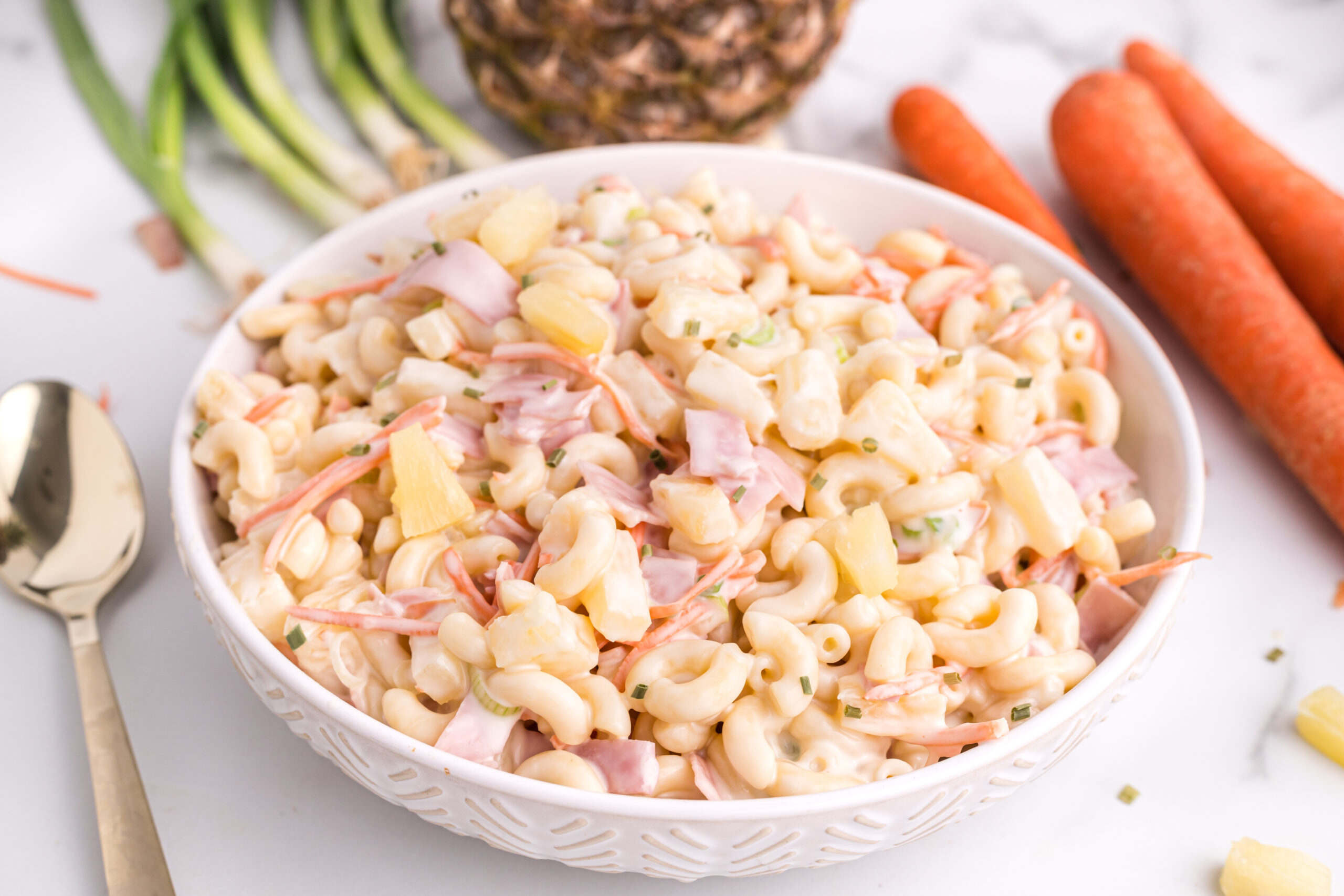
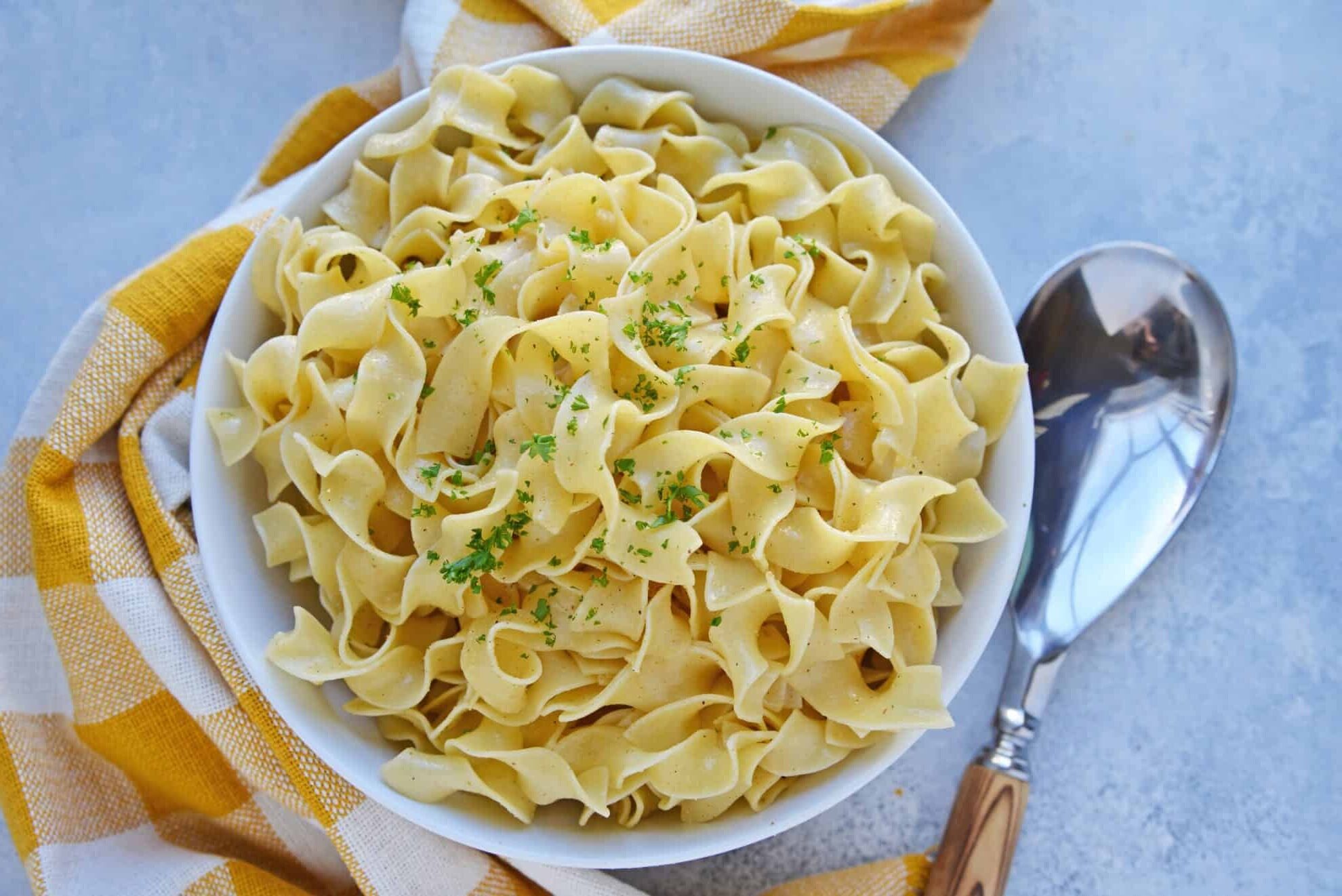
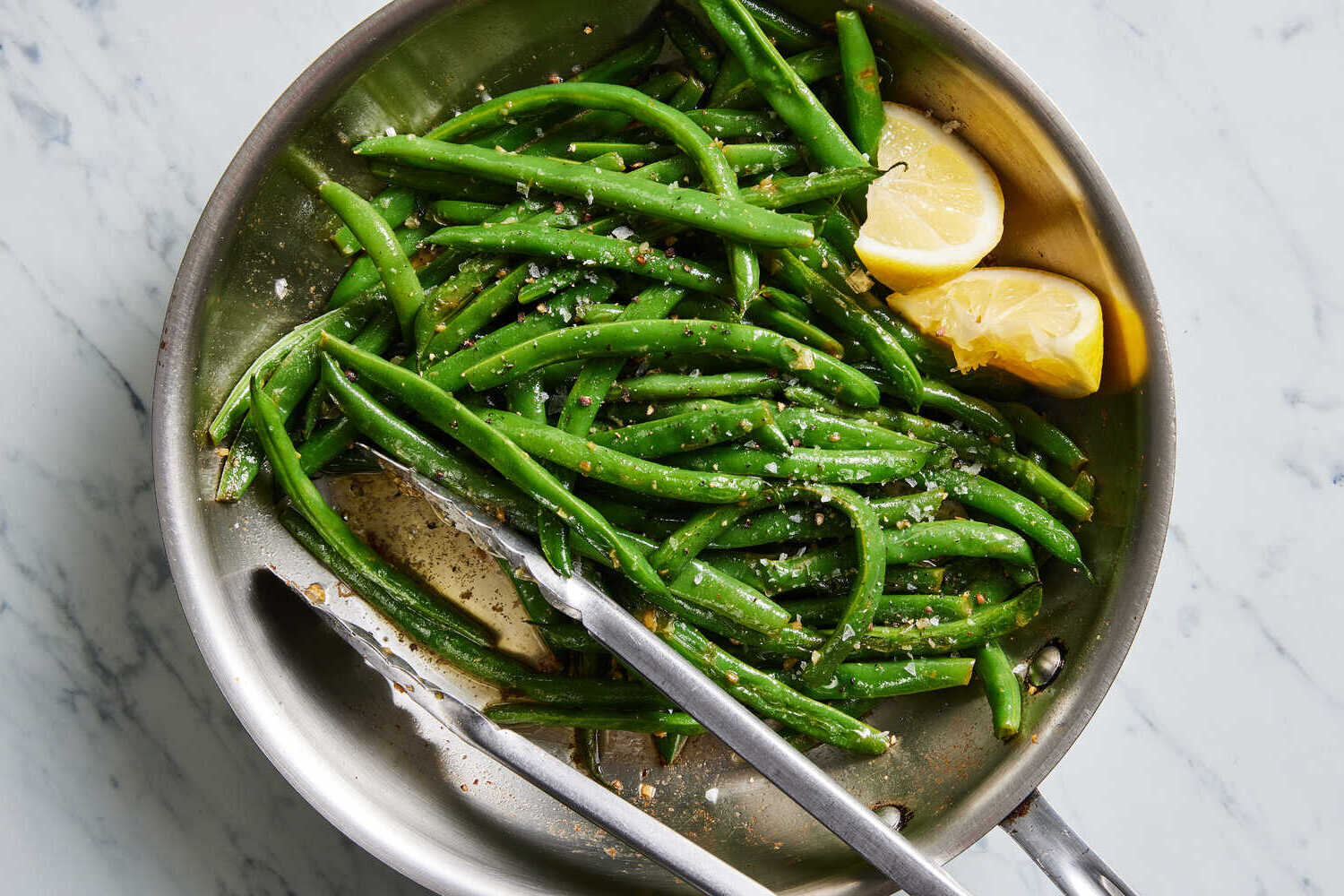
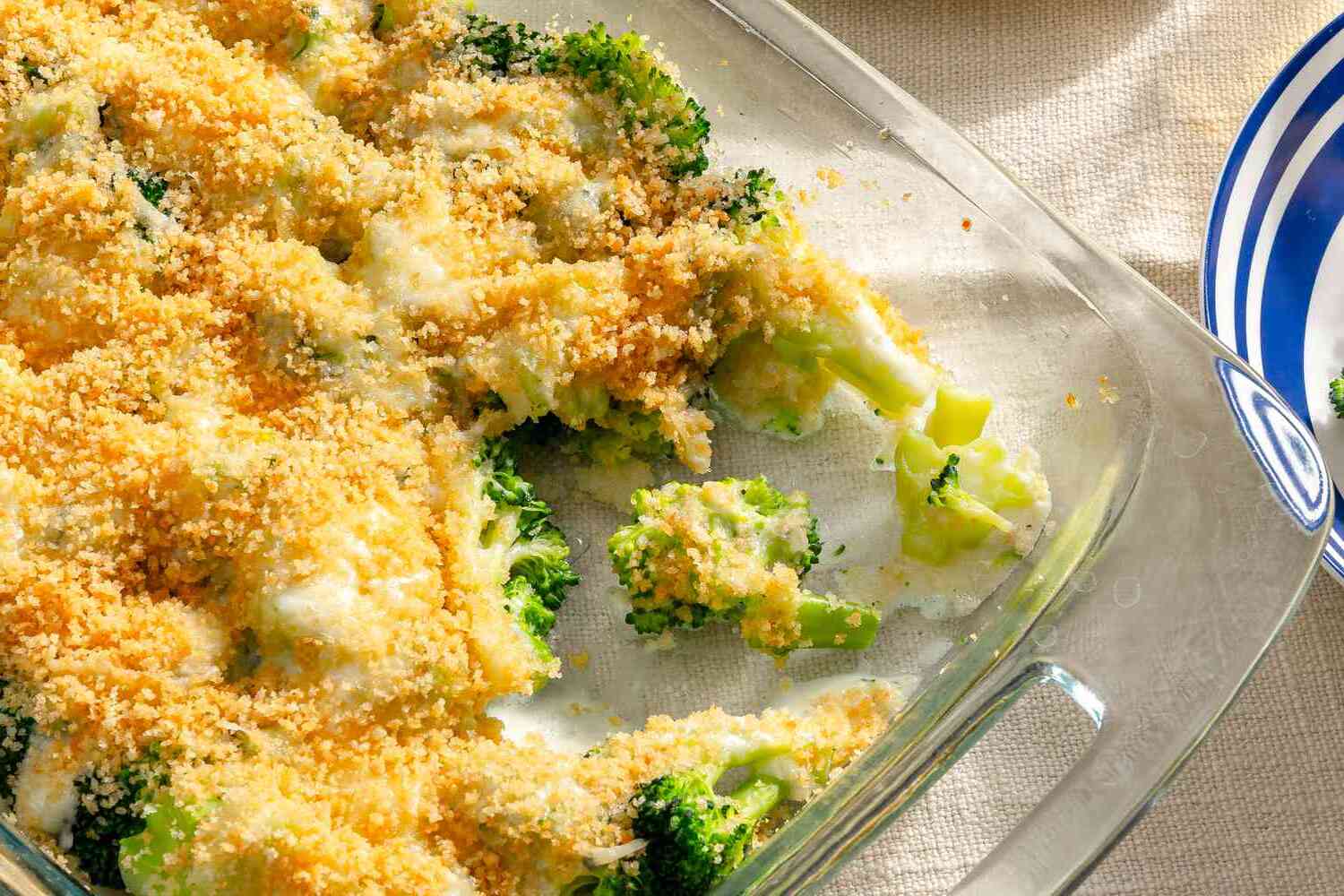
Suggested Side Dishes
Alternative Ingredients
jasmine rice - Substitute with basmati rice: Basmati rice has a similar texture and fragrance, making it a good alternative for jasmine rice.
jasmine rice - Substitute with long-grain white rice: Long-grain white rice can mimic the fluffy texture of jasmine rice, though it lacks the aromatic quality.
coconut milk - Substitute with almond milk with coconut extract: Almond milk with a few drops of coconut extract can replicate the creamy texture and coconut flavor.
coconut milk - Substitute with evaporated milk with coconut extract: Evaporated milk provides a rich texture, and adding coconut extract will give the necessary coconut flavor.
water - Substitute with vegetable broth: Vegetable broth can add a depth of flavor to the rice, enhancing its overall taste.
sugar - Substitute with honey: Honey can provide a similar sweetness with a slightly different flavor profile.
sugar - Substitute with agave syrup: Agave syrup is another sweetener that can be used in place of sugar, offering a mild flavor.
salt - Substitute with soy sauce: Soy sauce can add a salty flavor along with an umami boost, though it will slightly change the color of the dish.
salt - Substitute with sea salt: Sea salt can be used as a direct replacement for regular salt, providing a similar level of saltiness.
Other Alternative Recipes Similar to This Dish
How to Store / Freeze This Dish
- Allow the Asian coconut rice to cool to room temperature before storing. This prevents condensation, which can make the rice mushy.
- Transfer the cooled rice to an airtight container. This helps maintain its moisture and prevents it from absorbing other odors in the fridge.
- Store the container in the refrigerator for up to 4-5 days. For best results, consume within this timeframe to enjoy the optimal flavor and texture.
- For longer storage, portion the rice into freezer-safe bags or containers. Flatten the bags to remove excess air and ensure even freezing.
- Label each bag or container with the date to keep track of freshness. This is especially useful if you have multiple batches of cooked rice in the freezer.
- Freeze the rice for up to 2 months. Beyond this period, the texture may degrade, affecting the overall quality.
- To reheat refrigerated rice, sprinkle a few drops of water over it and microwave on medium heat for 1-2 minutes, or until heated through. Stir halfway to ensure even heating.
- For frozen rice, thaw it in the refrigerator overnight. Alternatively, you can reheat directly from frozen by microwaving on low heat, adding a splash of water to prevent drying out.
- Stir the rice occasionally while reheating to distribute the heat evenly and restore its fluffy texture.
- Avoid reheating rice more than once. Each reheating cycle can degrade the texture and flavor, making it less enjoyable.
How to Reheat Leftovers
Stovetop Method:
- Place the leftover Asian coconut rice in a non-stick skillet or saucepan.
- Add a splash of coconut milk or water to rehydrate the rice.
- Heat over medium-low, stirring occasionally to prevent sticking.
- Cook until the rice is heated through, about 5-7 minutes.
Microwave Method:
- Transfer the Asian coconut rice to a microwave-safe dish.
- Sprinkle a few tablespoons of water or coconut milk over the rice.
- Cover the dish with a microwave-safe lid or a damp paper towel.
- Microwave on high for 1-2 minutes, stirring halfway through to ensure even heating.
Oven Method:
- Preheat your oven to 300°F (150°C).
- Spread the Asian coconut rice evenly in an oven-safe dish.
- Add a few tablespoons of coconut milk or water to keep the rice moist.
- Cover the dish with aluminum foil to prevent drying out.
- Bake for 15-20 minutes, or until the rice is heated through.
Steamer Method:
- Place the Asian coconut rice in a heatproof bowl that fits inside your steamer.
- Add a small amount of water or coconut milk to the rice.
- Steam over boiling water for about 5-10 minutes, or until the rice is thoroughly heated.
Best Tools for This Recipe
Medium saucepan: Used to combine and cook the rice, coconut milk, water, sugar, and salt.
Lid: Essential for covering the saucepan to allow the rice to simmer and absorb the liquid properly.
Measuring cups: Used to measure the rice, coconut milk, and water accurately.
Measuring spoons: Used to measure the sugar and salt precisely.
Fork: Used to fluff the rice before serving.
Colander: Used to rinse the jasmine rice under cold water until the water runs clear.
Stove: Provides the heat source to bring the mixture to a boil and then simmer it.
Wooden spoon: Useful for stirring the ingredients together in the saucepan.
How to Save Time on This Recipe
Rinse efficiently: Use a fine-mesh strainer to quickly rinse the jasmine rice until the water runs clear.
Measure ingredients ahead: Pre-measure the coconut milk, water, sugar, and salt before starting to save time during cooking.
Use a rice cooker: If you have a rice cooker, use it to cook the coconut rice effortlessly by following the same ingredient ratios.
Simmer with a timer: Set a timer for 18-20 minutes to ensure the rice is cooked perfectly without needing constant attention.
Prep in bulk: Make a larger batch of coconut rice and store leftovers in the fridge for quick meals throughout the week.
Asian Coconut Rice Recipe
Ingredients
Main Ingredients
- 1 cup jasmine rice
- 1 cup coconut milk
- 1 cup water
- 1 tablespoon sugar
- 0.5 teaspoon salt
Instructions
- Rinse the jasmine rice under cold water until the water runs clear.
- In a medium saucepan, combine the rice, coconut milk, water, sugar, and salt.
- Bring to a boil over medium heat, then reduce the heat to low.
- Cover and simmer for 18-20 minutes, or until the liquid is absorbed and the rice is tender.
- Remove from heat and let it sit, covered, for 5 minutes.
- Fluff with a fork before serving.
Nutritional Value
Keywords
More Amazing Recipes to Try 🙂
- Creamy Corn Casserole Recipe55 Minutes
- Southern Baked Yellow Squash Recipe45 Minutes
- Buttermilk Pie Recipe1 Hours 5 Minutes
- Monkey Bread Recipe55 Minutes
- California Roll Sushi Recipe40 Minutes
- Vegan Pancakes Recipe30 Minutes
- Hawaiian Salad Recipe15 Minutes
- Albondigas Meatball Soup Recipe1 Hours








Leave a Reply